Spring Ceiling Repair Ideas With Local Service Providers
Spring is a great time to refresh your space by connecting with local contractors who specialize in textured ceiling repair to achieve a smooth, updated look.
Spring is a popular season for addressing textured ceiling repairs due to the natural tendency for property owners to refresh and update indoor spaces after the winter months. As the weather warms, many choose to undertake home improvement projects that improve aesthetics and functionality, making spring an ideal time to evaluate ceiling conditions. Additionally, longer daylight hours and increased outdoor activity often inspire homeowners to improve their interiors, ensuring that textured ceilings look their best for gatherings and seasonal gatherings. Local contractors experienced in ceiling repair can assist with restoring or enhancing textured surfaces, helping property owners achieve a fresh, revitalized look aligned with spring renovation goals.
Typically, textured ceiling repair services encompass a range of tasks aimed at restoring the surface’s appearance and structural integrity. Common issues addressed include cracks, water stains, or areas where the texture has become damaged or uneven over time. Repair work may involve patching damaged sections, smoothing out imperfections, and reapplying the appropriate texture finish to match the existing ceiling. Some service providers also offer options to update or replace outdated textures, providing a seamless, uniform appearance that complements the overall interior design. By working with local contractors familiar with various ceiling textures, property owners can ensure repairs are performed efficiently and to a high standard.
When comparing local options for textured ceiling repair, property owners can consider several practical factors to find the right service provider. It’s helpful to review the scope of services offered, including whether they handle specific textures or types of damage. Checking for experience and reputation within the community can provide insight into the quality of work, often through reviews or recommendations. Additionally, understanding the range of finishes and repair techniques available allows for better alignment with personal preferences and existing ceiling styles. By gathering information on local contractors’ expertise and comparing their approaches, property owners can select service providers that best meet their project needs and ensure a smooth, satisfactory repair process.
Compare local contractors' expertise and experience to find the best team for your textured ceiling repair this spring.
- Surface Preparation - Proper cleaning and priming are essential for textured ceiling repairs to ensure adhesion.
- Matching Textures - Skilled contractors can replicate existing ceiling textures for a seamless repair.
- Material Selection - Local service providers can recommend suitable patching and finishing materials.
- Finish Refinishing - Professionals can restore the ceiling’s appearance with appropriate finishing techniques.
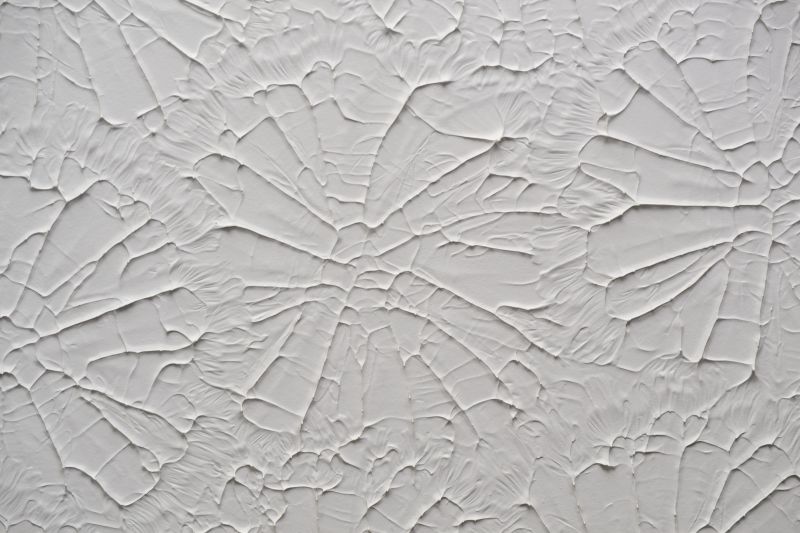
Before comparing options, clearly describe your textured ceiling repair project to help local contractors recommend the best approach.
- Assess ceiling texture for cracks, bubbling, or sagging that may indicate underlying issues. - Look for areas where the textured finish has become damaged or deteriorated over time.
- Identify any stains, water marks, or discoloration that could suggest leaks or moisture problems. - Check for signs of mold or mildew that may require professional remediation before repair.
- Evaluate the extent of damage to determine if patching or complete resurfacing is necessary. - Consider whether the texture is consistent or if patching will blend seamlessly with existing surfaces.
- Inspect for loose or peeling sections of ceiling texture that may pose safety hazards or indicate poor adhesion. - Note areas where the texture is detaching from the ceiling substrate.
- Think about the desired final look and whether a different texture style might be a better update. - Discuss options with local contractors to achieve the preferred aesthetic.
- Contact experienced service providers who specialize in textured ceiling repair to ensure quality results.
Use this as inspiration to explore local contractors who can help refine your textured ceiling repair ideas for spring refresh projects.
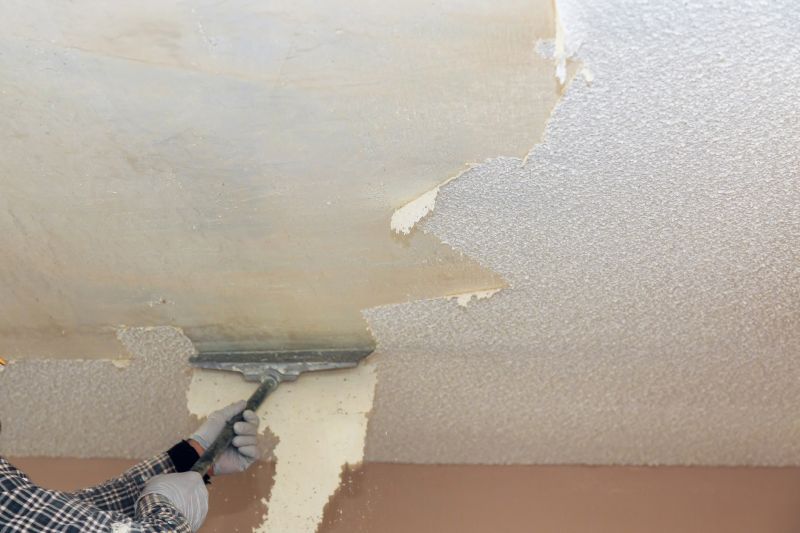
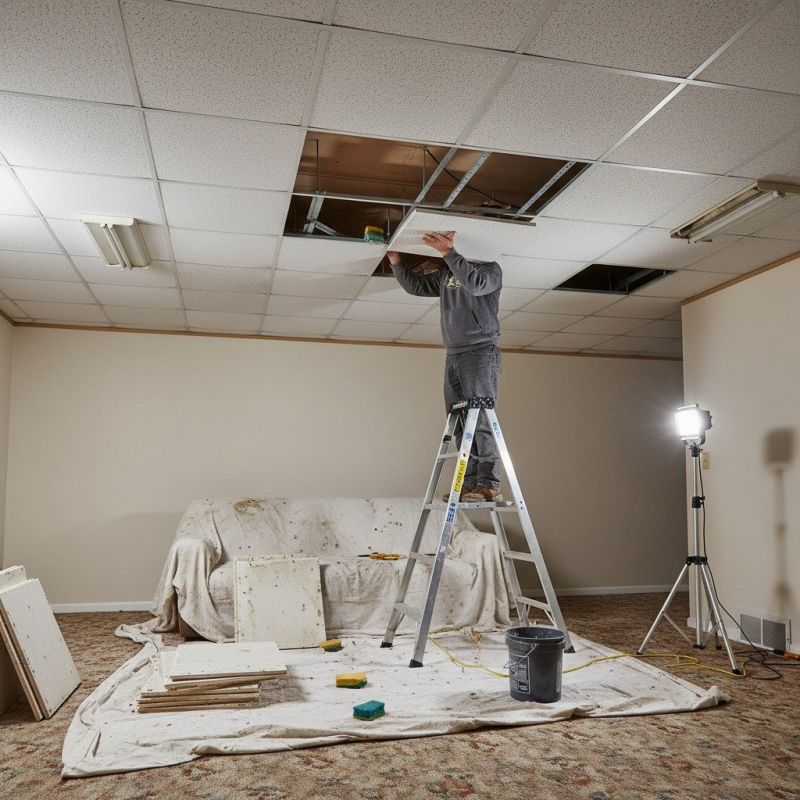
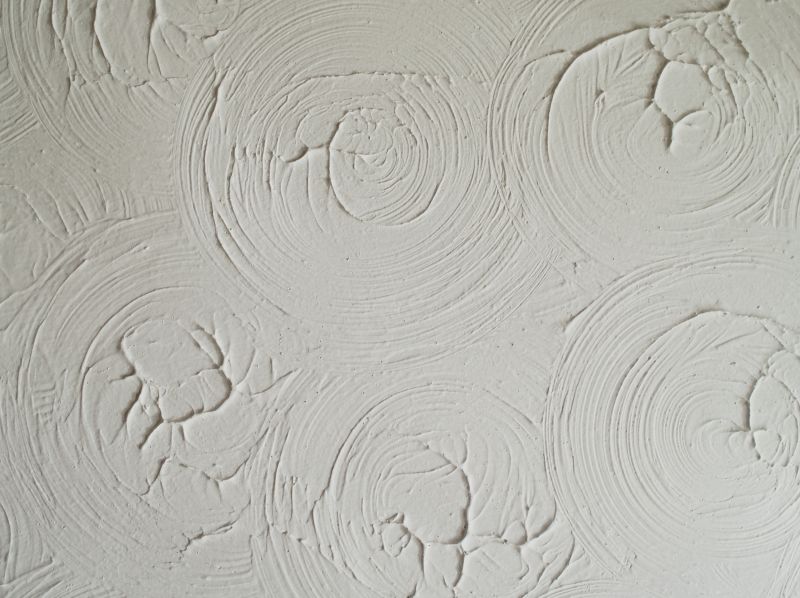
Prioritize your textured ceiling repair goals and compare local contractors to find the best service providers for spring renewal projects.
- Assessing and preparing the ceiling surface - Spring is a great time to evaluate damaged or deteriorated textured ceilings and prepare them for repair or refinishing. Local contractors can help identify underlying issues and recommend suitable solutions.
- Removing outdated or damaged texture - Professionals can safely remove old or compromised textured finishes to refresh the ceiling’s appearance and create a smooth surface for new treatments.
- Applying new texture or finish - Service providers can assist with applying fresh textures or finishes that match the existing style or create a new look, enhancing the room's overall aesthetic.
- Repairing underlying structural issues - Spring repairs often involve fixing cracks, water damage, or other structural problems that affect textured ceilings, with local experts providing necessary repairs.
- Painting and finishing after texture repair - Once the textured ceiling is repaired or refreshed, local contractors can complete the project with appropriate painting and finishing touches for a polished appearance.
Compare local contractors specializing in textured ceiling repair to ensure consistent quality and service standards across providers.
- Assessment of Damage - Identify areas of the textured ceiling that require repair due to cracks, stains, or damage.
- Material Compatibility - Determine the type of texture and ceiling material to ensure appropriate repair methods and materials are used.
- Preparation Requirements - Define surface preparation steps, including cleaning and sanding, needed before applying repairs or new texture.
- Repair Techniques - Specify the methods suitable for patching, sanding, and blending damaged textured ceiling areas.
- Finish Matching - Establish the process for achieving a consistent texture and appearance with the existing ceiling finish.
When considering textured ceiling repair during the spring season, it is important to evaluate the experience of local contractors with similar projects. Homeowners should inquire about the types of ceilings they have previously worked on and whether they are familiar with the specific textures and finishes present in the home. An experienced service provider will have a track record of handling a variety of textured ceiling styles, ensuring that the repair work seamlessly blends with the existing surface. This familiarity can contribute to a more efficient repair process and a result that maintains the aesthetic integrity of the space.
A clear and detailed written scope of work is essential when comparing local service providers for textured ceiling repairs. Homeowners should seek out contractors who can provide a comprehensive explanation of the repair process, including the materials to be used, the extent of the work, and any preparatory steps involved. Having a well-defined scope helps prevent misunderstandings and ensures that both parties are aligned on expectations. It also allows for a more straightforward assessment of each contractor’s approach, making it easier to identify providers who communicate clearly and professionally.
Work planning considerations play a significant role in selecting the right service provider during the spring months, when outdoor conditions are more favorable for interior projects. Homeowners should ask about how contractors plan to coordinate the repair work with other spring-related projects or seasonal home improvements. This includes understanding how the work will be scheduled, what preparation is needed, and how weather or other environmental factors might influence the process. A contractor with a thoughtful approach to planning can help minimize disruptions and ensure the project progresses smoothly within the seasonal context.
Evaluating options for textured ceiling repair involves assessing the experience, communication clarity, and planning approach of local contractors. Homeowners should consider requesting references or examples of past work similar to their project, which can provide insight into the quality and consistency of the service provider’s work. It is also helpful to review how each contractor explains their process and their readiness to adapt to the homeowner’s specific needs. By focusing on these factors, homeowners can make an informed decision and connect with service providers who are well-equipped to handle textured ceiling repairs effectively during the spring season.
Ask for written scope details to ensure clear expectations when planning textured ceiling repairs this spring.
- Scope of Texture Repair - What types of textured ceiling finishes can local contractors repair or restore?
- Material Compatibility - How do different repair methods compare based on the original ceiling material and texture style?
- Service Provider Experience - What experience do local service providers have with specific textured ceiling repair techniques?
- Repair Techniques - How do various repair approaches differ in terms of preserving or matching existing ceiling textures?
- Project Scope Definition - How can local contractors help clarify the extent of work needed for a textured ceiling repair?
What causes textured ceilings to become damaged? Damage can result from factors such as water leaks, impact from objects, age-related deterioration, or improper application during initial installation.
How can I tell if my textured ceiling needs repair? Signs include sagging, cracking, peeling, or noticeable stains, which indicate that repairs may be necessary to restore its appearance and integrity.
What are common methods for repairing textured ceilings? Repairs often involve patching damaged areas, matching the existing texture style, and applying appropriate finishing techniques to blend repairs seamlessly.
Is it possible to update the texture style during repair? Yes, local contractors can often modify the texture to match new design preferences or to refresh the ceiling’s look during repairs.
What should be considered before repairing a textured ceiling? Factors include the extent of damage, the type of existing texture, and the desired final appearance, to ensure a successful repair or update.
How can spring be a good time for textured ceiling repairs? Spring offers a season ideal for home improvement projects, allowing for timely repairs that prepare interiors for upcoming seasons and freshen up living spaces.
Spring is a prime time to refresh indoor spaces, and textured ceiling repair can help restore the appearance of your ceilings, making them look clean and well-maintained. Visitors have learned that addressing textured ceiling issues involves understanding the repair process and choosing experienced local contractors who can handle the work efficiently. Comparing options through a quote form allows you to evaluate different local providers and select the service that best fits your project needs.
For those planning spring updates, exploring textured ceiling repair options is a practical step toward enhancing your home’s interior. Using the quote form to connect with local service providers offers an easy way to gather information and compare local contractors. This approach helps ensure you find the right professionals to handle your ceiling repairs, making your seasonal refresh project a smooth and informed experience.
Providing clear details about your textured ceiling repair helps local contractors understand your project needs effectively.
- Surface Assessment - Share details about the current condition of the textured ceiling and any specific damage or issues.
- Repair Preferences - Describe the type of repair needed, such as patching, smoothing, or retexturing.
- Ceiling Material - Provide information about the existing ceiling material and any previous treatments or finishes.
- Project Goals - Explain the desired outcome for the ceiling repair to help connect with suitable local contractors.